CASE STUDY
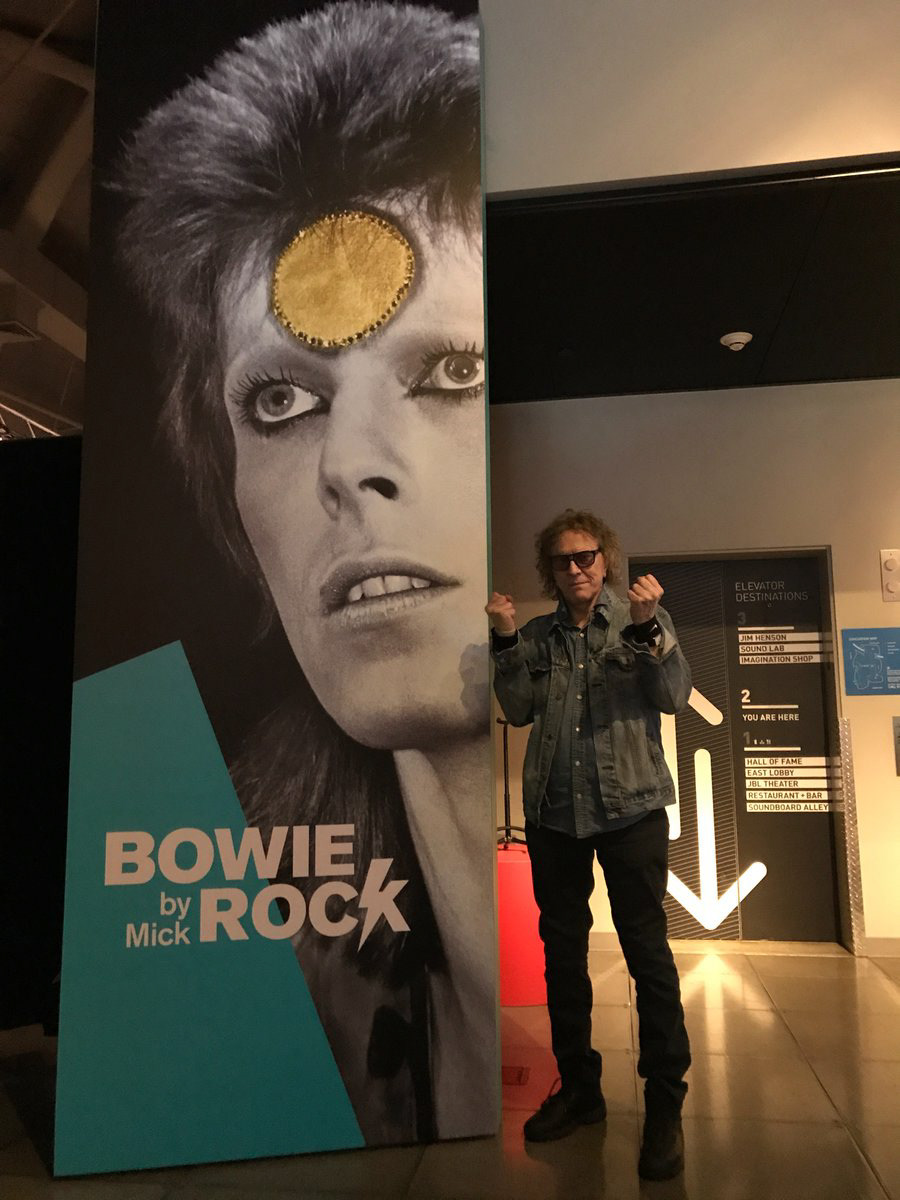
BOWIE by MICK ROCK
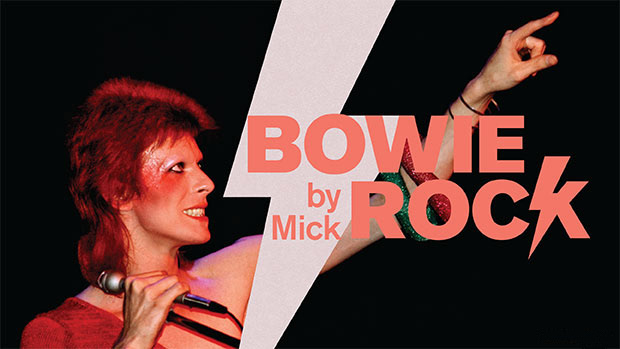
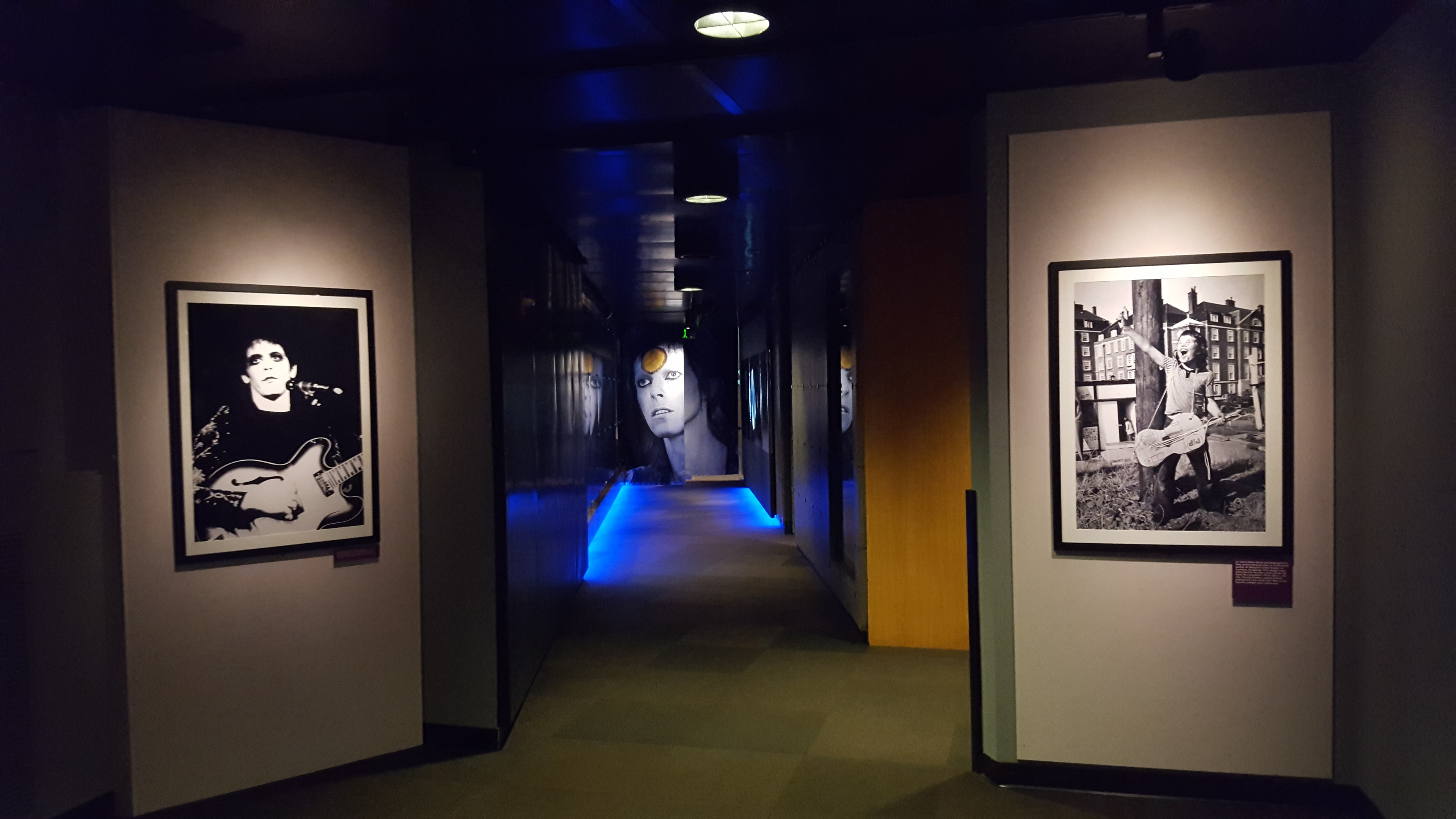
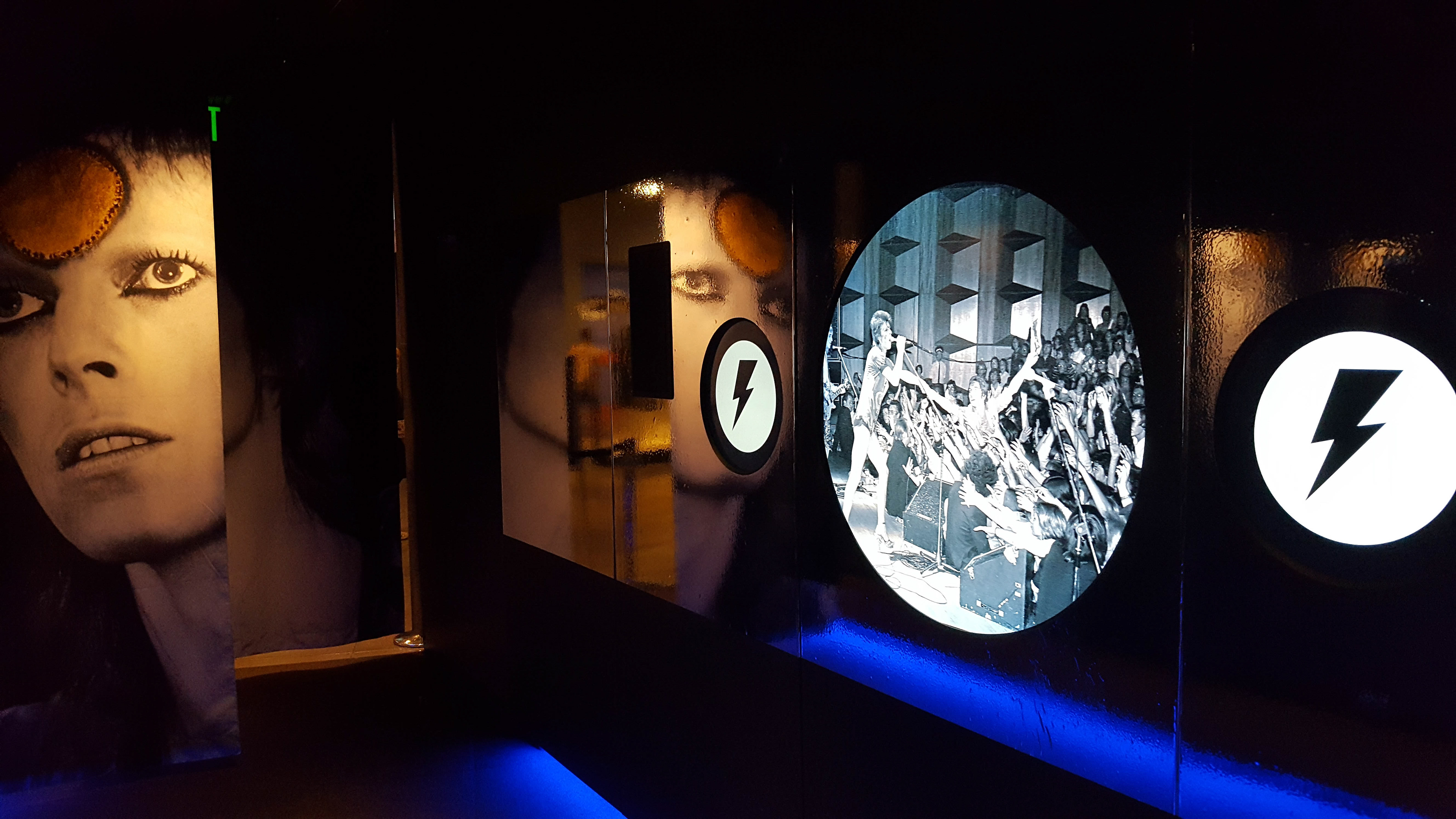
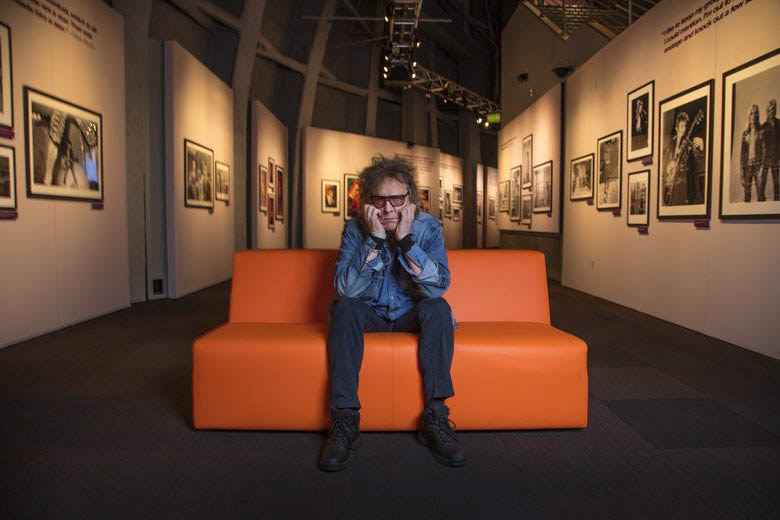
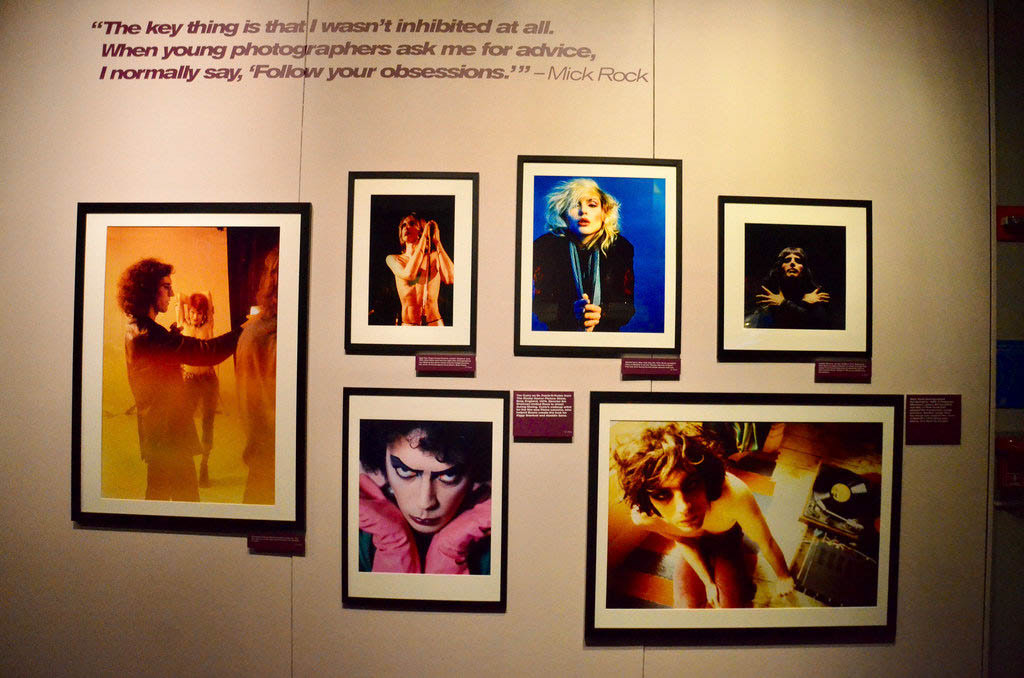
INTRODUCTION: Bowie: By Mick Rock was a landmark photographic exhibition curated by the legendary “Photographer who Shot the 70’s” Through Mick Rock’s brilliant photographic lens, the exhibit chronicled David Bowie’s transformative early 1970s period, The exhibition immersed visitors in Bowie’s evolution into Ziggy Stardust with iconic images, rare video, and an array of interrelated experiential soundscapes.
MUSEUM BRIEF
Curatorial Theme / Narrative Focus: David Bowie’s Ziggy Stardust persona did much more than launch his stratospheric music career. Ziggy’s androgynous space invader brought together diverse people and created a safe culture for society’s outsiders, including a young LGBT community that suddenly had a hero. Ziggy spoke to troubling existential themes like alienation, mortality, and sexuality. The exhibit was curated for a multigenerational audience spanning Bowie aficionados, music history lovers, and families (including children as young as six). The exhibition balanced nostalgia and discovery allowing longtime fans to relive formative moments, while new generations experience Bowie’s boundary-shifting impact within an engaging, sensory-rich environment. The brief: craft site-specific music and sound design to emotionally and energetically anchor each space, facilitate Mick Rock’s visual narrative, and support visitor movement and engagement—while addressing the challenge of creating music and sound for a multigenerational audience.
SOUNDSCAPE BRIEF
Statement of Work: Vox Museorum was commissioned to design and implement distinct immersive soundscape loops (3–5 minutes each for four (4) key exhibition environments: Gallery Entrance. Main Gallery, Bowie Anteroom and the Immersive Hall of Ziggy Exit Gallery. A multi-channel speaker array both floor-level, ear level and overhead, provided dynamic panning and vertical/lateral movement, amplifying the sensation of journeying through Bowie’s world. Digital audio controlled and routed via MoPop's Show Control System.
Soundscape Strategy: A metaphorical 'space' guided our sonic approach and provided thematic anchors using a combination of tracks taken from original sessions and new instrumentation, we extrapolated, deconstructed, and remixed Bowie’s music for presentation over an immersive twenty-channel speaker array. Vintage 'space,' ancient strings. " Rather than playing direct lifts of Bowie’s commercial recordings (which could cause harmonic clash and diminish immersion), we developed new “audio space diasporas”—original modulating beds and motifs with analogue synth, droning guitars, mellotron, and period instrumentation.
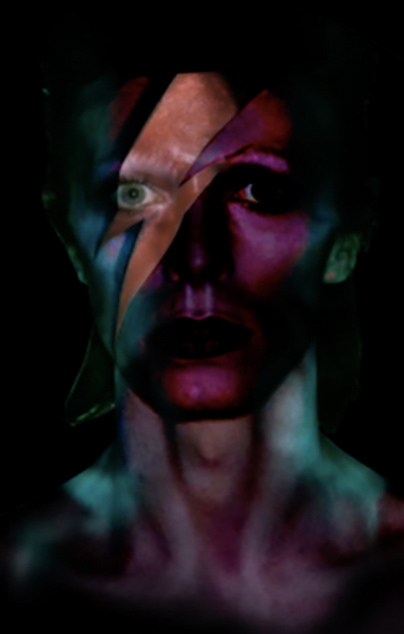
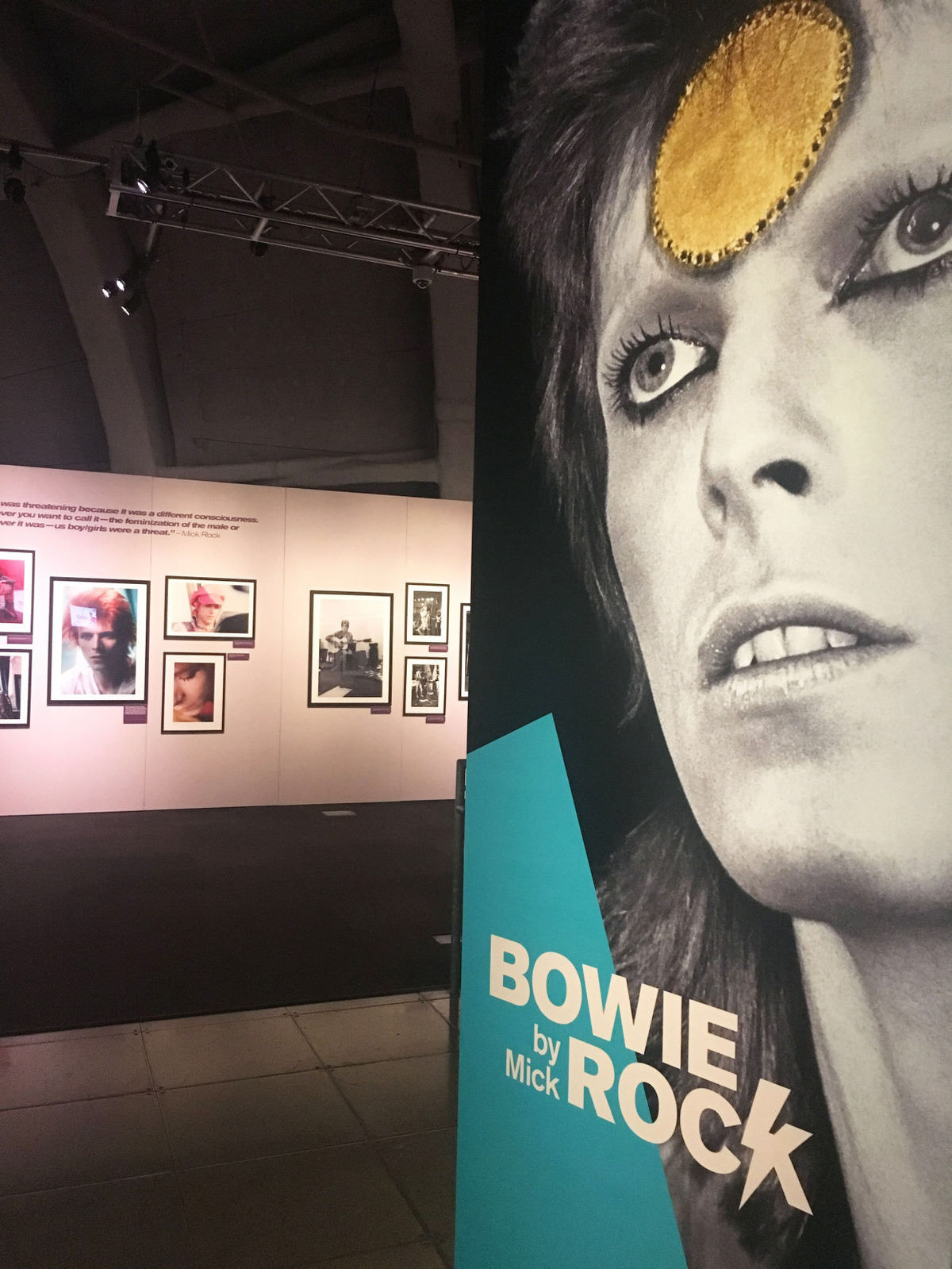
SOUNDSCAPE EXECUTION: Entrance Gallery, 5 Years Reimagined: Targeted Space, 50x75 meters with an Infinite Ceiling. Speaker Array: Ten (10) Hidden Playback Speakers arrayed in floor, We selected Five Years,” the opening track from The Rise and Fall of Ziggy Stardust and the Spiders from Mars to introduce the exhibit to visitors. We deconstructed the original recording and began the soundscape with Bowie’s voice emerging alone in an initial acappella version, positioned to come from directly above—as if sung from heaven. As visitors enter, Bowie’s voice welcomes them in a celestial, almost spiritual manner. Gradually, the rest of the track emerges from another direction, sonically leading visitors to the main gallery while enveloping them in the world of Ziggy Stardust.
FIVE YEARS REIMAGINED
SOUNDSCAPE EXECUTION: Main Gallery, Space Oddity & All The Young Dudes (Reimagined)
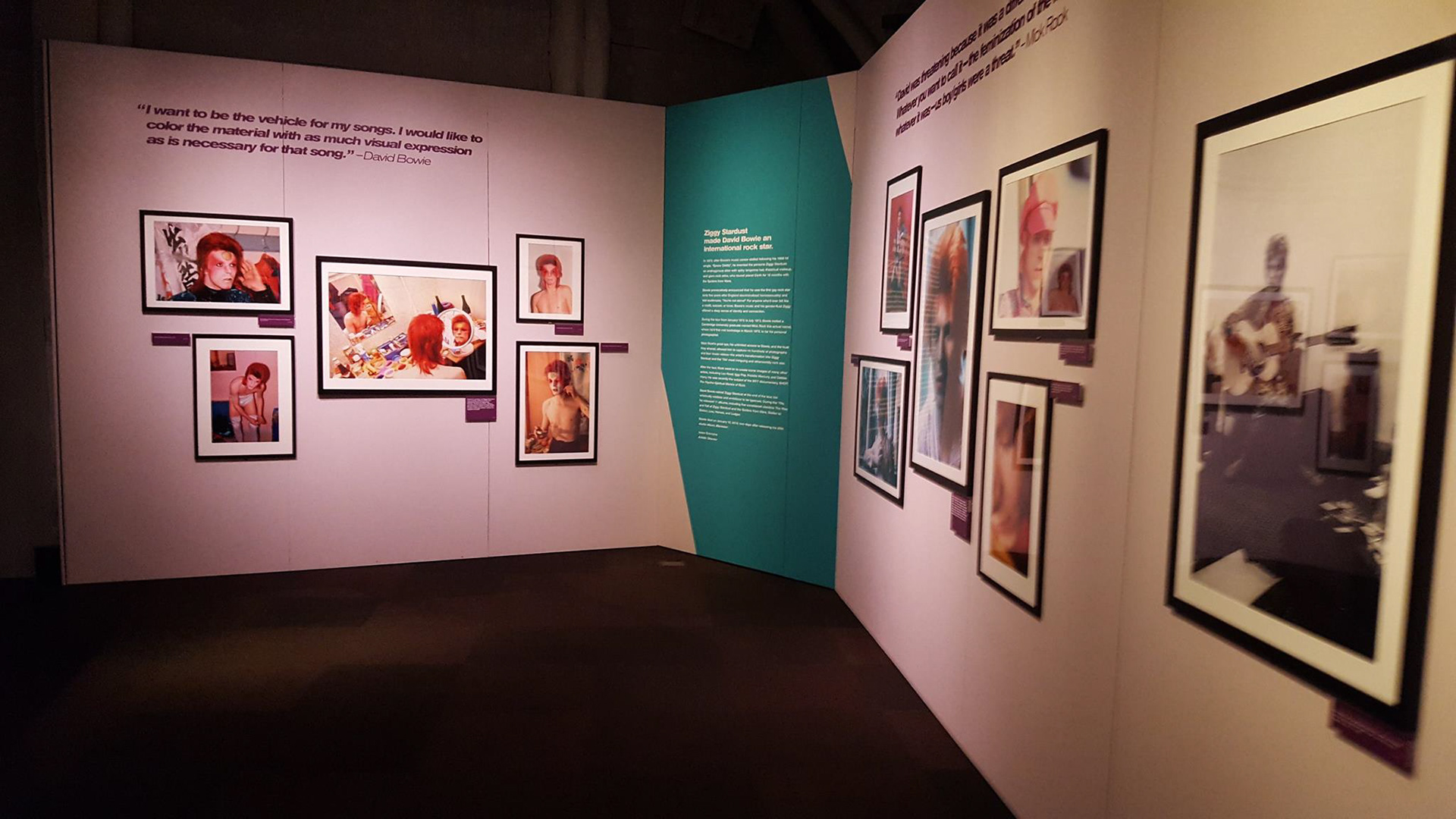
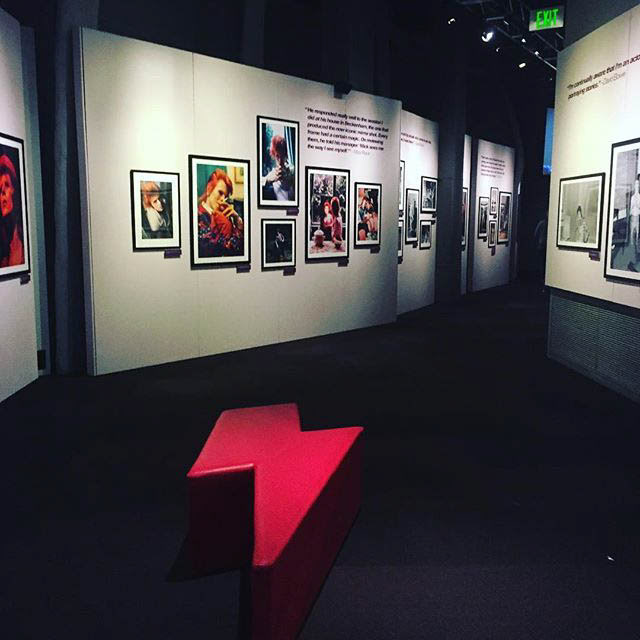
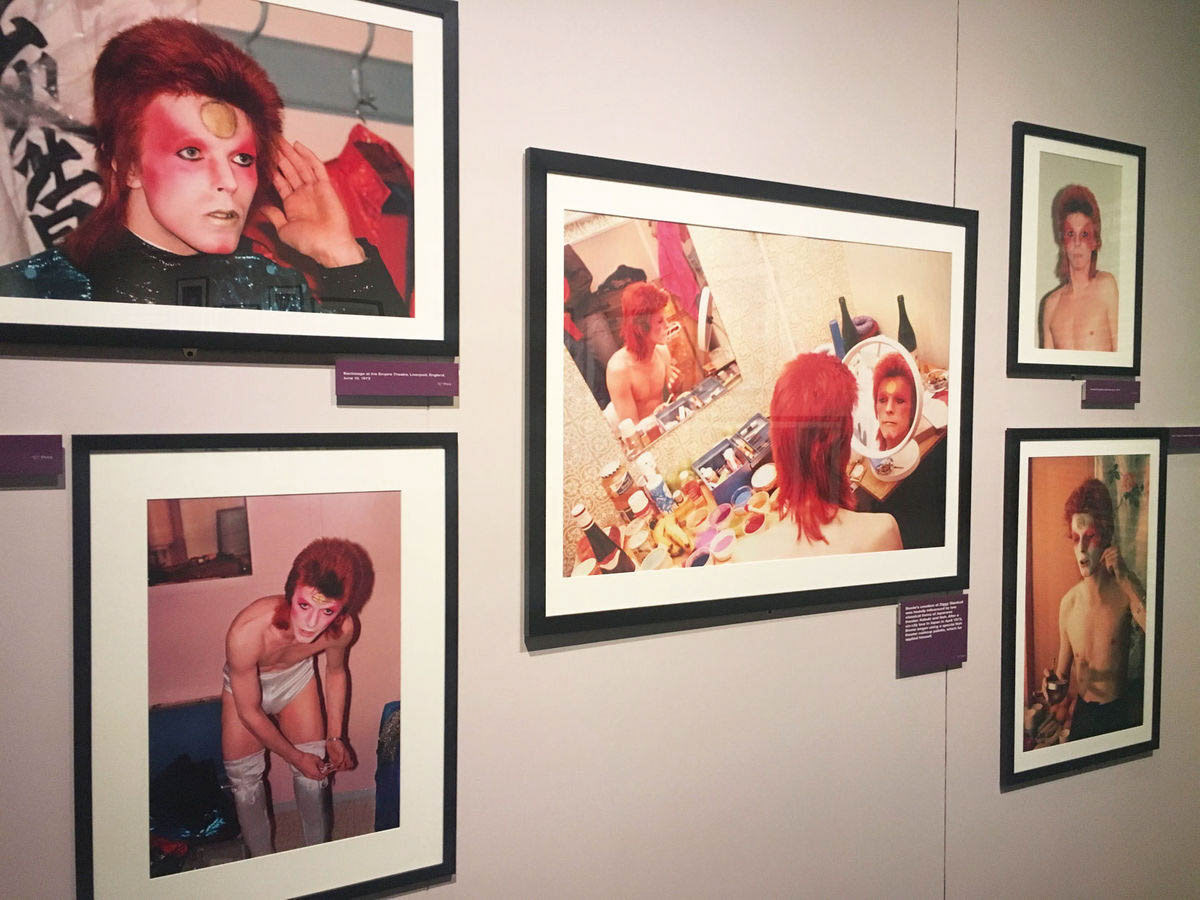
Using audio from the original session tapes, we created instrumental versions of two iconic Bowie songs from his Ziggy era, Space Oddity and All the Young Dudes. Targeted Space, 100 x75 meters with an Infinite Ceiling. Speaker Array: Ten (10) Hidden Playback Speakers arrayed in floor, ear level and ceiling.
SPACE ODDITY REIMAGINED
ALL THE YOUNG DUDES REIMAGINED
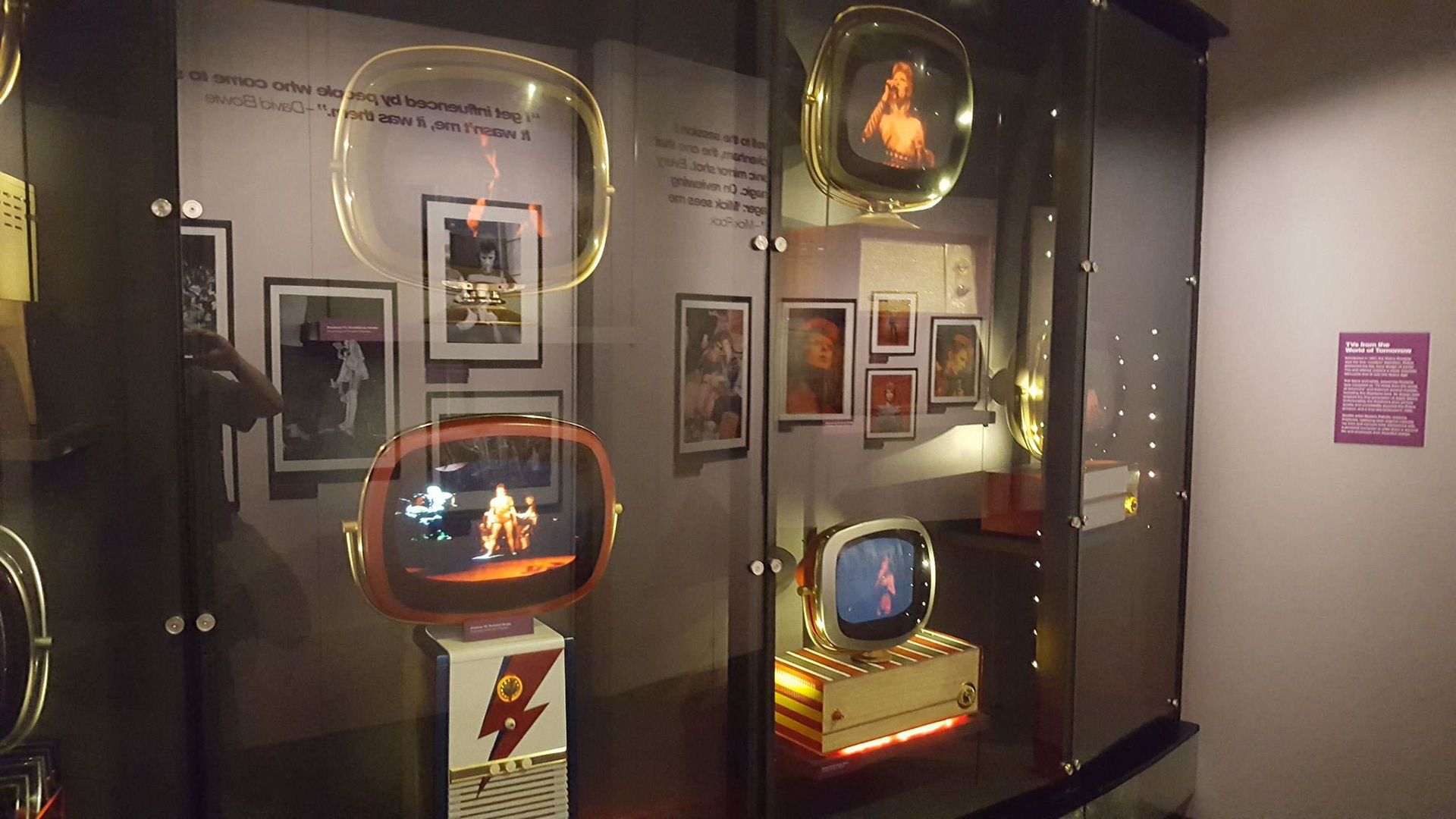
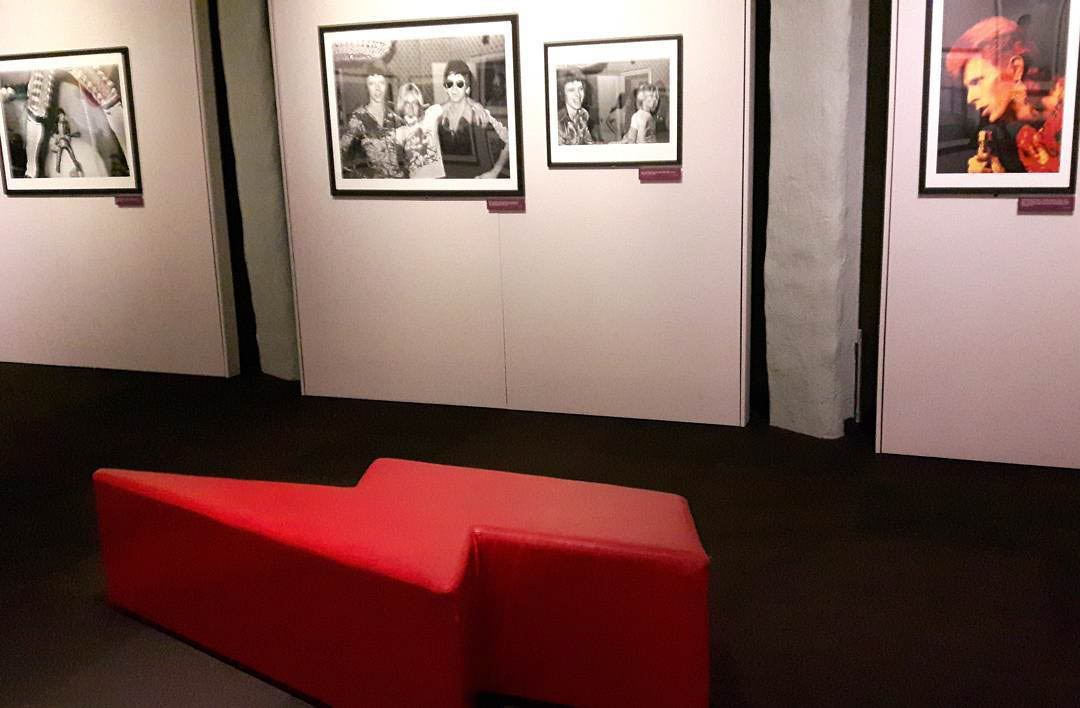
SOUNDSCAPE EXECUTION: Hall of Ziggy Exit Gallery: We said goodbye to exhibit visitors with The Transformers, a Glam inspired mashup video we created to capture the spirit of the downtown Manhattan ecosystem Bowie encountered when his Ziggy Stardust persona “fell to earth” in 1972. At that time, Lou Reed and his creative catalyst Andy Warhol were transforming popular culture from the inside out. The creative and cultural energy of this downtown alliance was explosive—film, dance, theatre, and fashion collided with music, fueling the rapid rise of Glam, Glitter, Punk, and Disco, and ushering in iconic bands like Mott the Hoople, T. Rex, New York Dolls, Kiss, and Alice Cooper. For this video, we integrated period tracks by Mott the Hoople and Lou Reed with a reimagined Ziggy Stardust track "Hang On To Yourself." Ten (10) Hidden Playback Speakers arrayed in floor, ear level and ceiling.