SOUNDSCAPE CASE STUDY
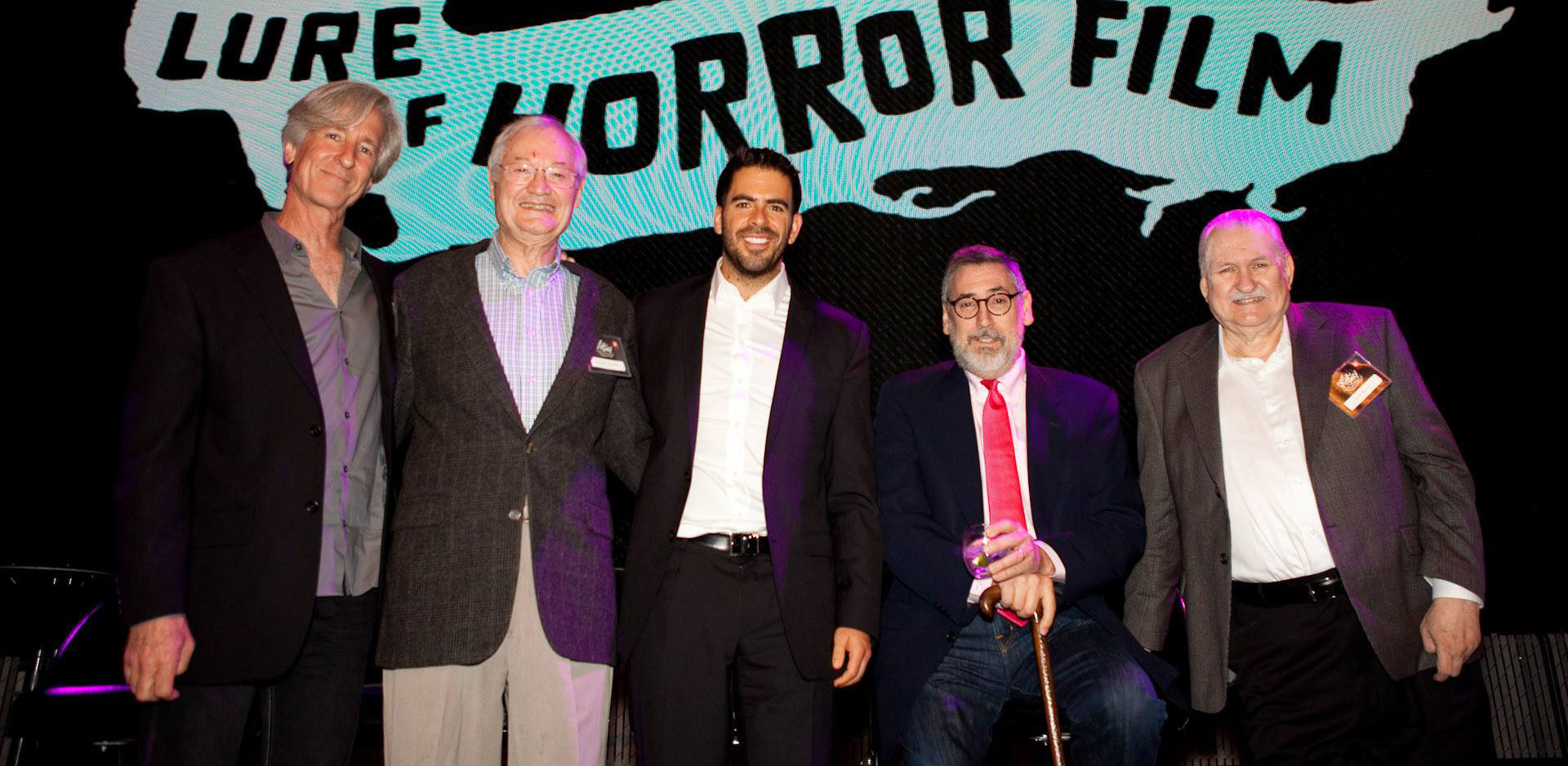
INTRODUCTION: Scared to Death: The Thrill of Horror Film is a permanent exhibition at the Museum of Pop Culture (MoPOP). Originally introduced as Can’t Look Away: The Lure of Horror Film, this landmark exhibition explores the evolution, artistry, and cultural resonance of the horror genre in film and television. Anchored by the creative vision and curatorial participation of iconic horror directors Roger Corman, John Landis, and Eli Roth, their collective filmographies form the backbone of the exhibition—many of their seminal works are showcased, and each director helped select and contextualize the films presented throughout the gallery.
MUSEUM BRIEF – Curatorial Theme / Narrative Focus
Can’t Look Away and Scared to Death were conceived as entertaining, educational experiences for the widest possible audience, including families and younger visitors. Horror, as a global cultural touchstone, attracts a passionate, thrill‑seeking audience that spans teens, young adults, and genre‑savvy adults, with strong crossover from film, and gaming.
Can’t Look Away and Scared to Death were conceived as entertaining, educational experiences for the widest possible audience, including families and younger visitors. Horror, as a global cultural touchstone, attracts a passionate, thrill‑seeking audience that spans teens, young adults, and genre‑savvy adults, with strong crossover from film, and gaming.
The exhibition required three original experiential soundscapes, each created for a distinct gallery zone and content set. The museum also needed a partner with spatial sound design expertise and creative solutions to address acoustical infrastructure challenges. MoPOP’s show control system features a sixteen‑channel speaker array responsible for playback of all exhibition audio.
SOUNDSCAPE BRIEF – Statement of Work: Vox Museorum was tasked with creating three soundscapes: a traditional musical score for the main gallery and two sound design–driven compositions for the entrance stairwell (“Death Stairs”) and the Zombie Jail exhibit. On the technical front, the brief required creative solutions to mitigate audio bleed in a low‑ceiling gallery environment with closely spaced exhibits and a central video viewing kiosk
SOUNDSCAPE EXECUTION, Entrance Gallery: The winding entrance staircase is lined with stills of people in intense, fearful reactions from horror films, making visitors feel as if they have already stepped inside the terror. For this disorienting "Death Stairs" environment, the soundscape is entirely non‑musical: deep bass, overlapping distant screams, ominous bells, and dark wind textures create an unsettling, dizzying descent that mirrors the escalating tension of horror cinema. Targeted space: approximately 50 x 10 feet, downward‑leading stairway with a 30‑foot concrete ceiling.
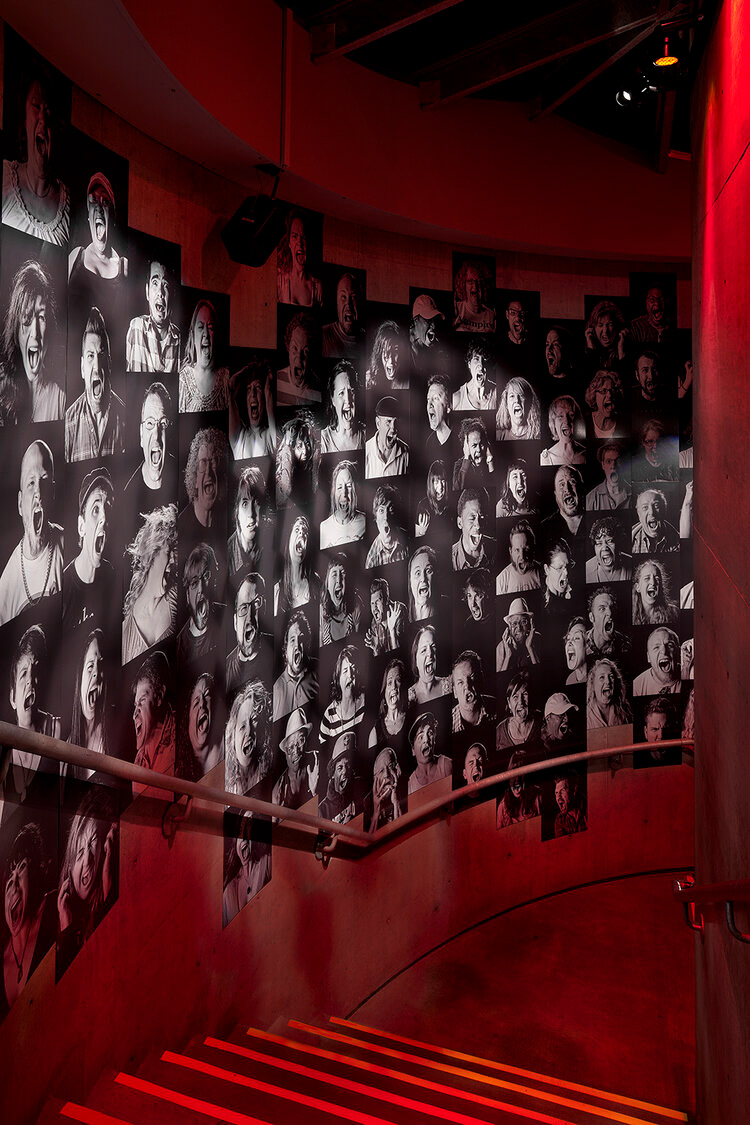
Death Stairs. Exhibition Entrance
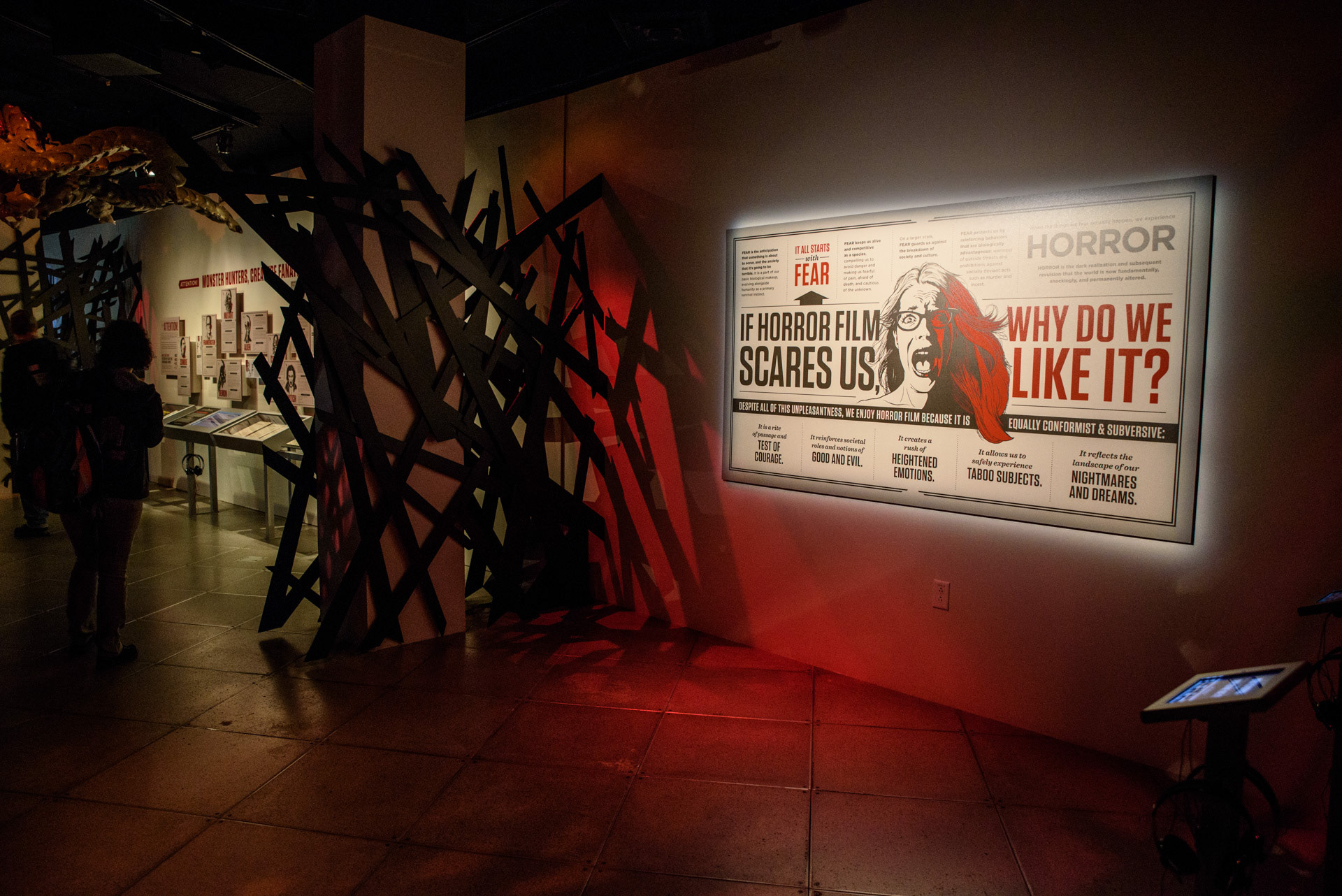
SOUNDSCAPE EXECUTION, Main Gallery Score: Conceived as a horror film soundtrack, the Main Gallery Soundscape employs traditional genre instrumentation—violins, cello, mellotron, theremin, waterphone—alongside musical tropes such as the “devil’s triad” and other sonic signatures familiar to horror audiences. A steady, musical heartbeat underpins the score, with waves of tension and release linking each section. Over a 15‑minute span, the music periodically recedes back into the pulse before the cycle begins again. Targeted space: approximately 100 x 75 feet with a visually “infinite” ceiling. Speaker array: ten hidden playback speakers positioned at ear level and in the ceiling.
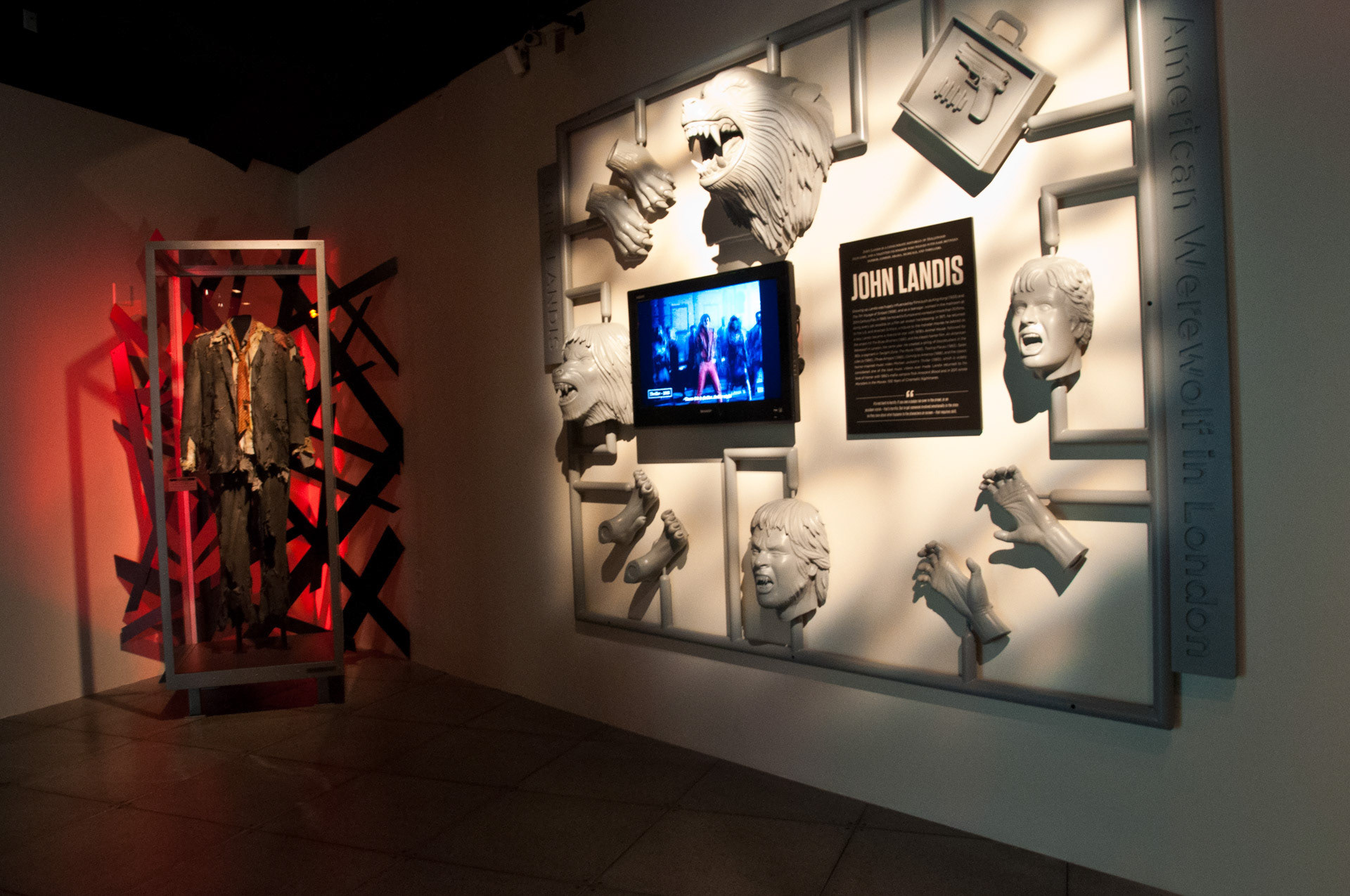
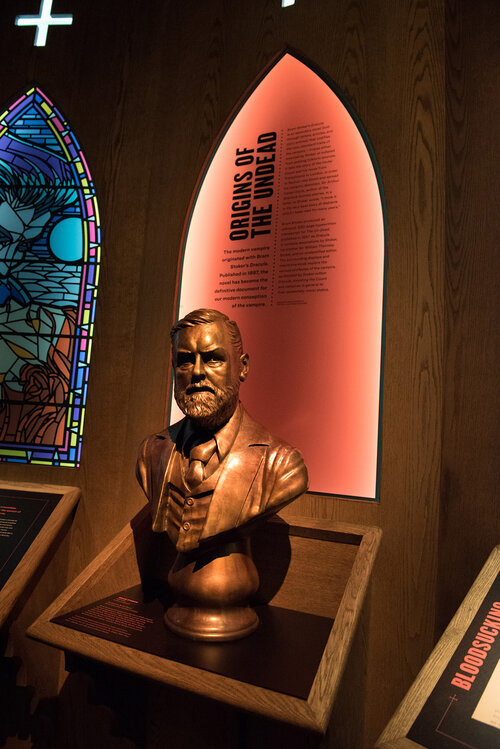
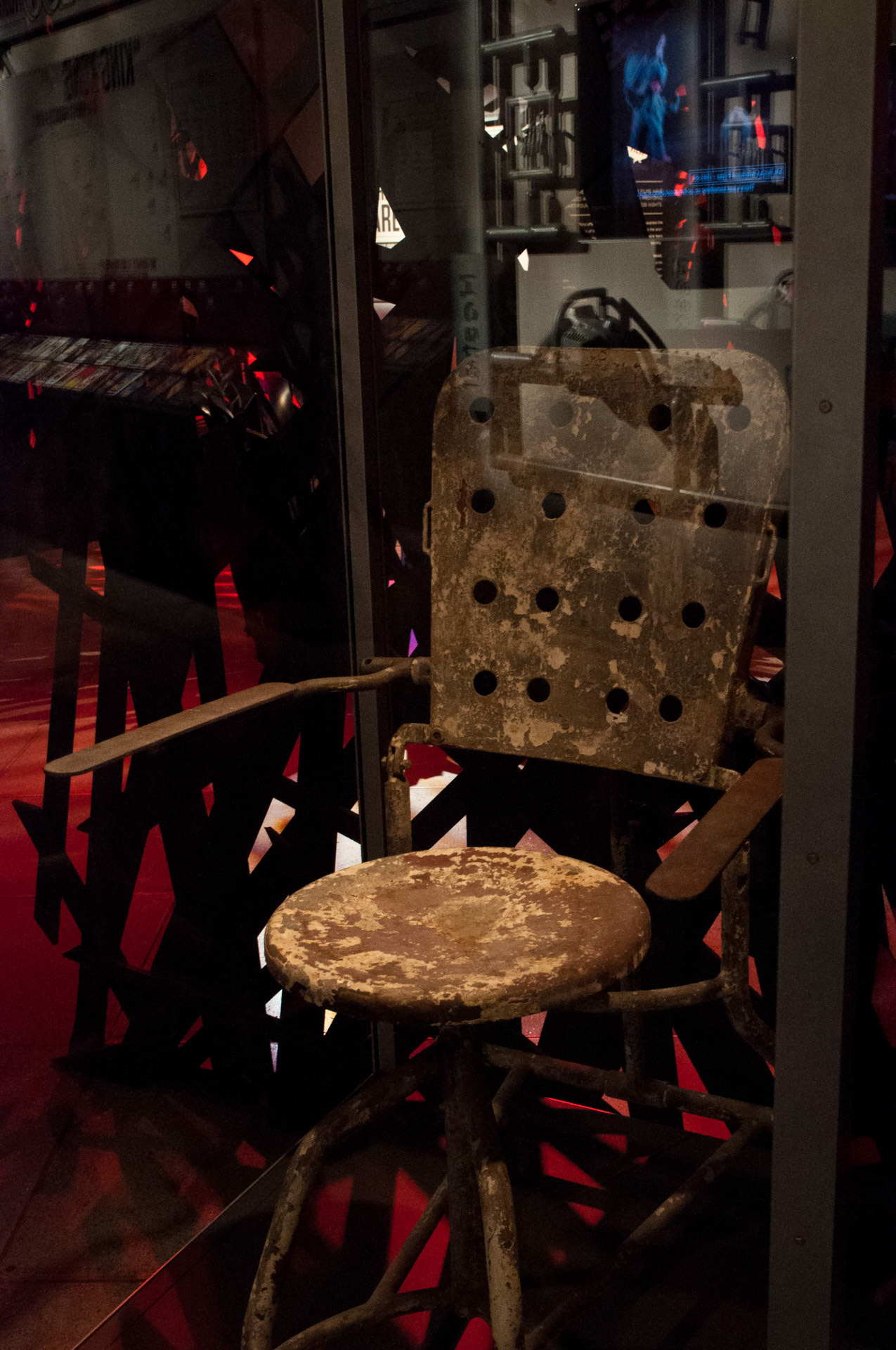
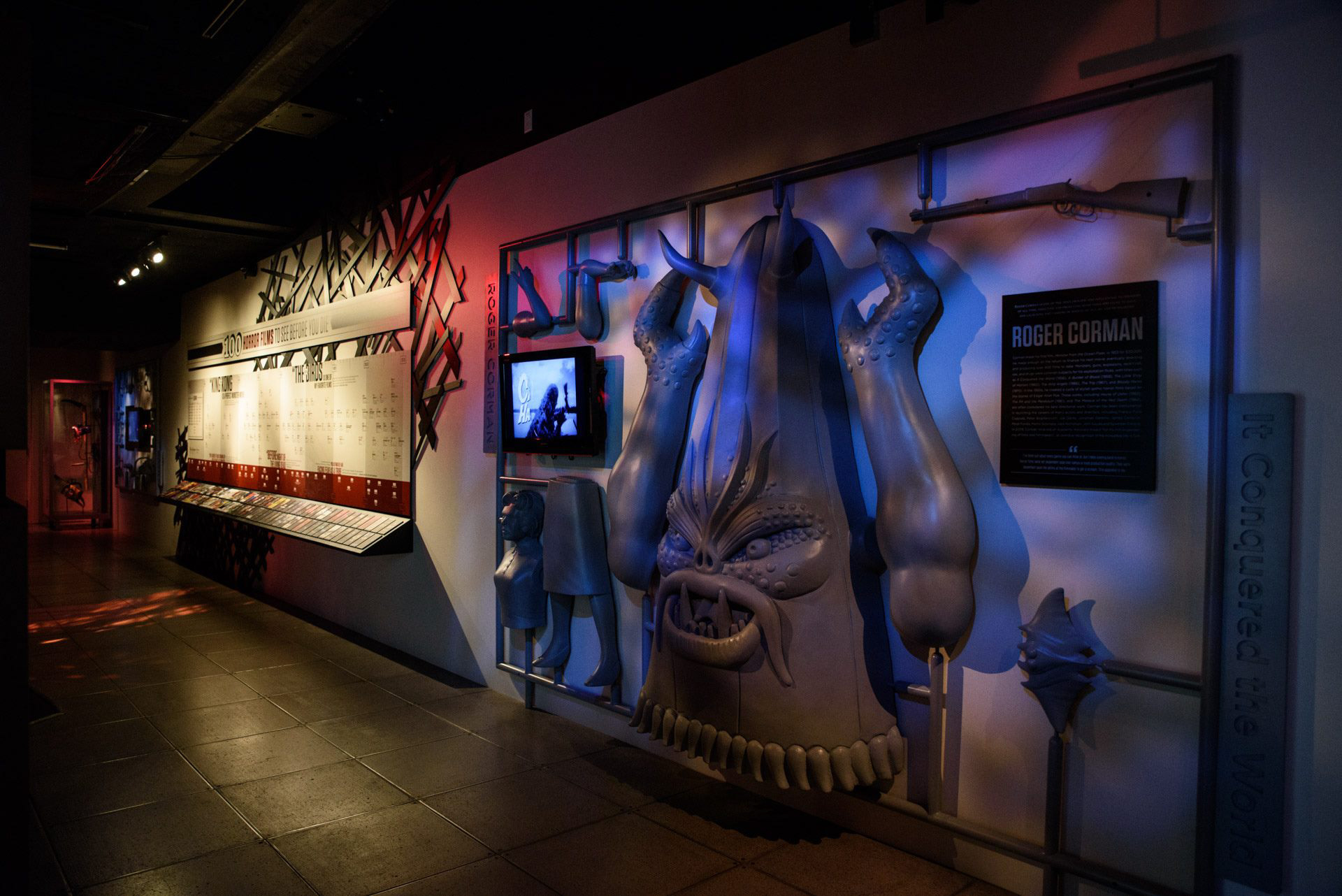
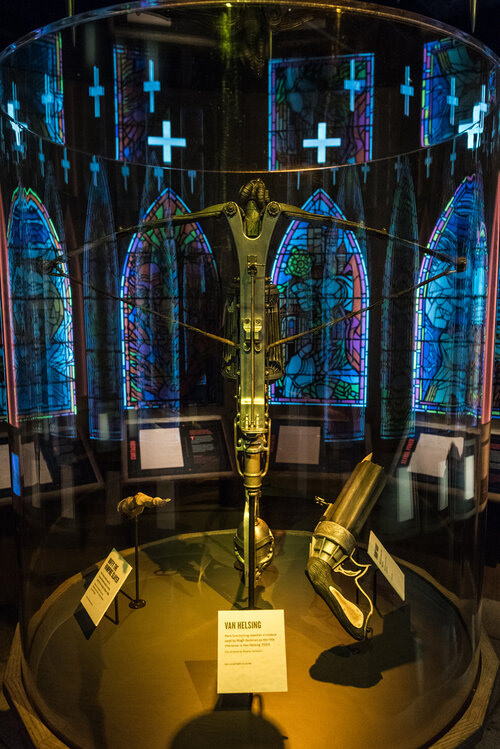
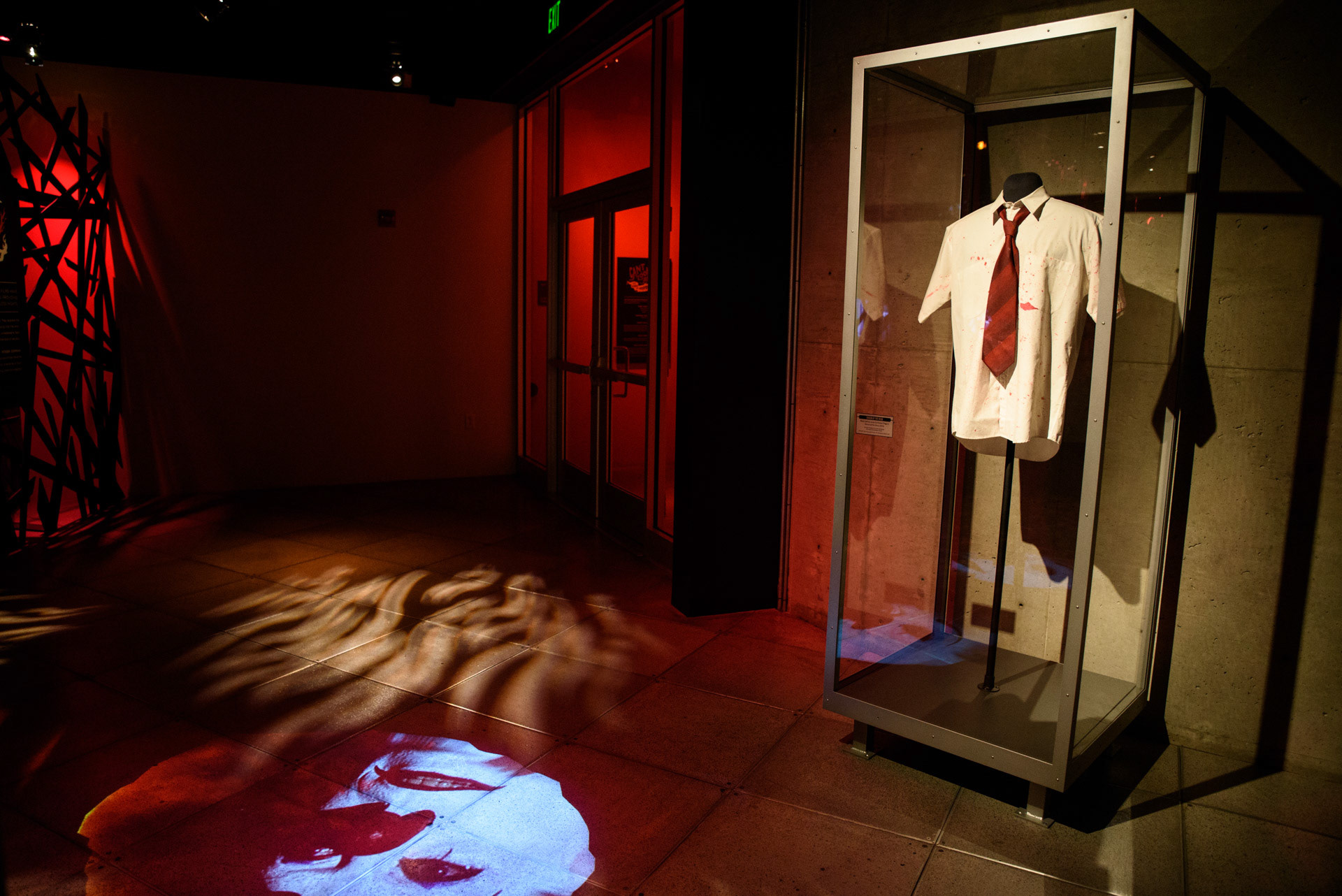
Main Gallery Soundscape
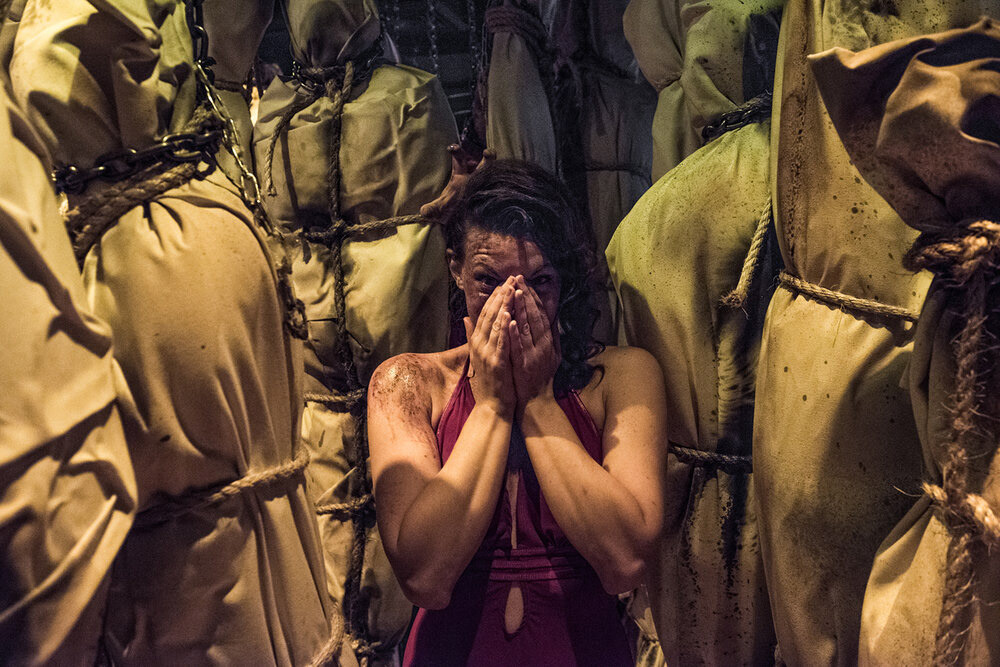
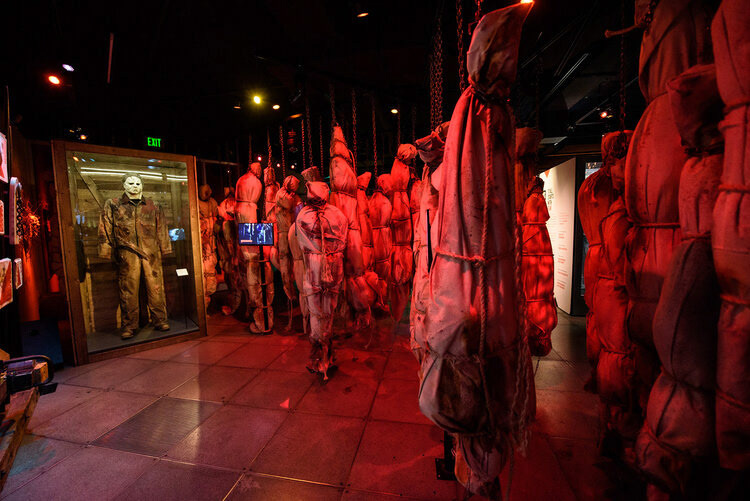
SOUNDSCAPE EXECUTION, Zombie Jail: This attraction’s sound design supports a video “window” array that carries the primary narrative weight. Creeping, subtle pads signal that visitors are in the wrong place at the wrong time, while predominantly diegetic sound design—altered, surreal bubble and water‑filter textures for the heads in tanks, the zombie in the closet, and other set pieces—grounds the experience. The zone’s soundtrack is harmonically aligned with the main ambient score, functioning as a tense, localized layer within the broader sonic environment.
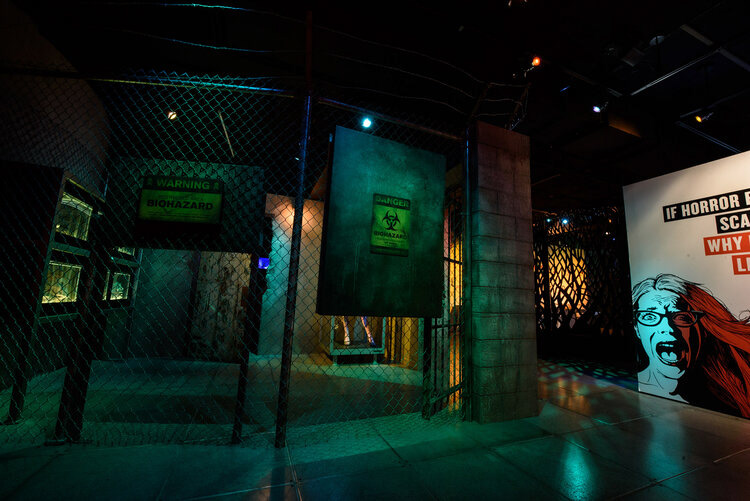
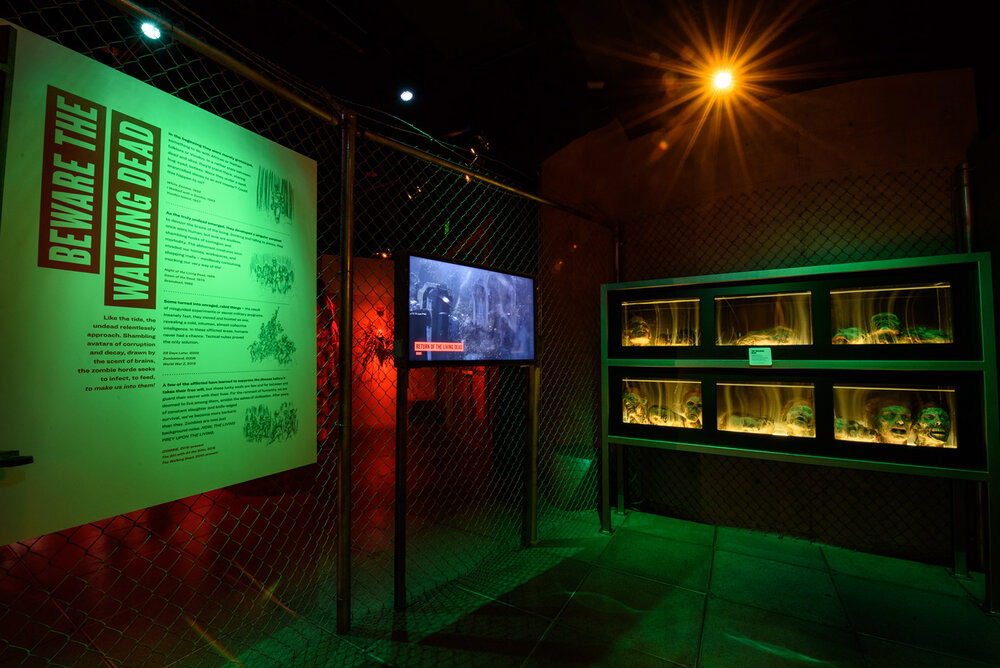
Zombie Jail Soundscape
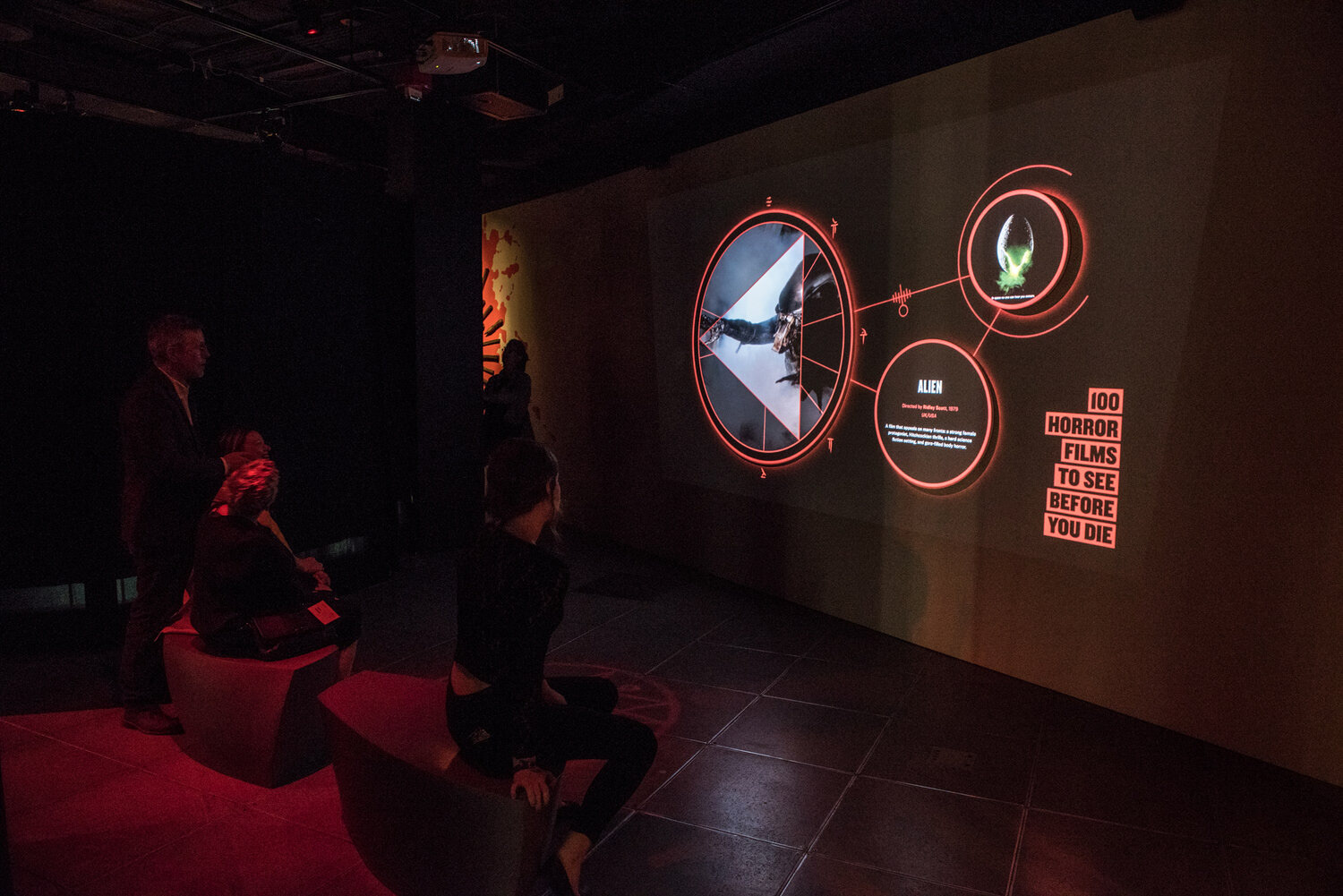
SOUNDSCAPE EXECUTION – Eliminating Audio Bleed from Video Kiosks
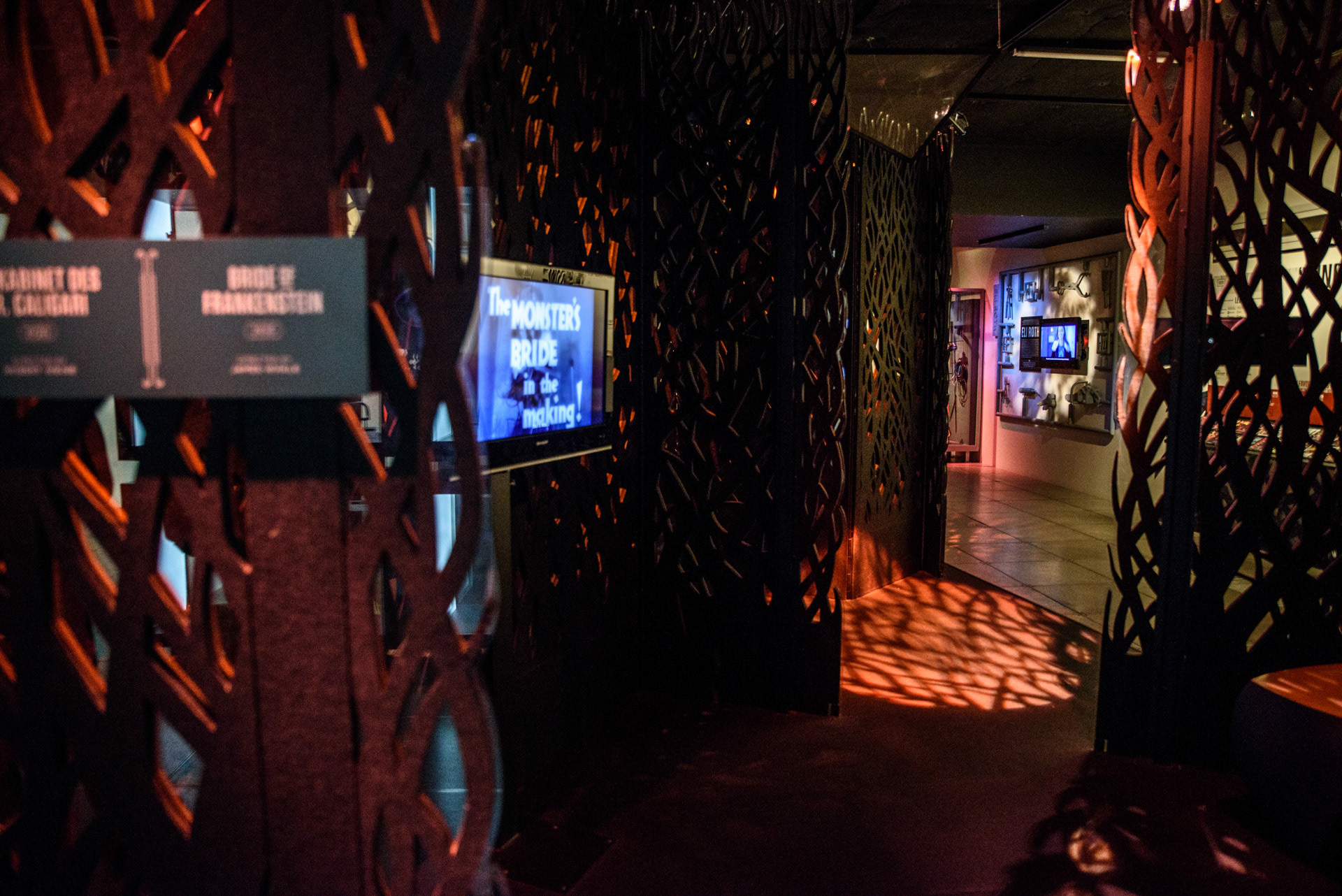
Four horror film kiosk stations are grouped at the center of the gallery. Vox Museorum was tasked with preventing their audio from bleeding into each other and competing with the main gallery score. In collaboration with MoPOP curators and exhibit designers Curious Beast, a translucent, highly textured plexiglass material was specified and integrated into the kiosk design. This treatment significantly reduced sound reflections and effectively minimized audio spill from station to station and out into the main gallery
Four horror film kiosk stations are grouped at the center of the gallery. Vox Museorum was tasked with preventing their audio from bleeding into each other and competing with the main gallery score. In collaboration with MoPOP curators and exhibit designers Curious Beast, a translucent, highly textured plexiglass material was specified and integrated into the kiosk design. This treatment significantly reduced sound reflections and effectively minimized audio spill from station to station and out into the main gallery